I’ve decided to go for it and give podcasting a try! To start I’ll be
sharing my blog posts in podcast form, but in time I hope to expand to
talk about all things books, writing, and vampires (I may even share
some of my fiction). Go ahead and give the first episode a listen and
let me know what you think…
(You can also follow this link directly to my channel to see which platforms my podcast is available on.)
The Smashwords July Summer/Winter Sale is on now until the end of the
month! Whether it’s summer or winter where you live, a good book is the
perfect accompaniment every day. Get Love Lies Bleeding now for 25% off! And don’t forget that Blood Magic and Tooth & Claw are always FREE…
Photo via Mary’s Heirloom SeedsLove Lies Bleeding‘s readers know that main character Mara is both a vampire and a botanist. Trained when she was still human, she continues to study plants and have a garden.
This post is part of a series exploring Mara’s plants. Are you
interested in botany, gardening, or plant lore? So are some vampires…
Please note: Medicinal uses are given for informational purposes
only. Always consult a medical professional before diagnosing or
treating yourself or anyone else.
Latin Name:Symphytum officinale
Common Names: Boneset, Bruisewort, Knitbone, Slippery Root
History: Native to Europe and parts of Asia, comfrey
has a long history (at least 2000 years) in healing. It has been used
to treat coughs and lung ailments, stop excessive bleeding, treat
stomach problems, and to ease joint pain and inflammation. Its most
common use, however, has been to heal wounds, bruises, and broken bones;
in fact, almost every name (in all languages) for comfrey refer to
knitting or mending bones or healing cuts and contusions. “Comfrey”
comes from a Latin word meaning “to grow together,” and the botanical
name “Symphytum” comes from the Greek, meaning plant that knits bones together. It was once also used as food for both people and animals.
Caution: Comfrey has been found to be toxic to the
liver when taken internally in large amounts. It’s generally safe to use
externally, but is best avoided by pregnant and nursing women, infants,
and by people with liver, kidney, or vascular disease. It’s also toxic
to animals, so be sure not to let them eat it.
Victorian Language of Flowers Meaning: Home sweet home
Cultivation: Perennial in zones 4 to 9. Easy to grow
from seed, comfrey prefers full to part sun and rich, well-drained
soil. It’s quite adaptable and can survive less-than-ideal conditions,
including drought. Sow early indoors or outside as soon as soil can be
worked. Sow just below surface of soil and tamp down–keep seeds moist
(not wet). Sow seeds or seedlings with 2 feet (60 cm) of space around
them as the plants get fairly large. Once plants are established in a
spot they can live for decades and be difficult to remove, so take care
when selecting a site. Comfrey is generally non-invasive, although it
can self sow.
Uses: Comfrey is still used externally to treat
inflammation, joint pain, and closed wounds and bruises. You can crush
fresh leaves to make a poultice, apply fresh leaves to the affected
area, use a salve, or apply oil that has had comfrey steeped in it.
Treat poison ivy blisters by rubbing a fresh leaf on them. You can also
use the chopped roots to make salves, ointments, and oils (or use a
combination of leaves and roots). Leaves are best used before the plant
blooms; roots are best harvested in late autumn or early winter.
In the garden, nitrogen- and potassium-rich comfrey leaves are used
as fertilizer, in compost, and as mulch. Avoid using stems as they can
take root and spread the plant where you don’t want it. You can also
make a compost tea with the chopped leaves by steeping them in water for
several weeks and then straining and diluting the resulting dark liquid
12:1 before applying to the garden.
Mara’s Uses: She makes a poultice of comfrey leaves
to help speed up healing of a particularly bad injury. Comfrey would be
one of the herbs used to make salves and oils for her apothecary
business.
If you prefer paperback, use this link to order Love Lies Bleeding from
Bookshop – a portion of each sale goes directly to independent
bookstores, as well as to myself. Thank you for supporting indie! ♥
Although Bram Stoker wasn't the first to write about vampires, his character (and book) started an ongoing obsession with vampires, inspiring countless variations over the decades, including dozens of versions of Dracula alone. Many of what we now consider essential characteristics of vampires: aversion to sunlight and garlic, lack of reflection, supernatural powers, vulnerable to a stake through the heart--all came from Dracula. A few have been discarded over the years too--how many modern vampires have hairy palms or need to keep the soil of their homeland handy? If you're a vampire fan and you haven't read Dracula yet--drop everything and get yourself a copy.
Nosferatu is an early, unauthorized, movie based on Dracula. The names were changed (Dracula became Count Orlok, for example) but that wasn't enough to keep Stoker's widow from suing (and eventually giving up after the film company went bankrupt and copies of the movie got out anyway). You can't beat Nosferatu, or Max Schreck's Count, for atmosphere, dramatic visuals, and general creepiness.
Although Bela Lugosi may be the definitive Count Dracula (and no one is disputing that he did a great job), but Christopher Lee gets my vote for best film Dracula. Imposing and intense, it's hard not to agree that Lee is pretty awesome in this role (I'm not sure he really needs hypnotic powers--he'd do fine all on his own).
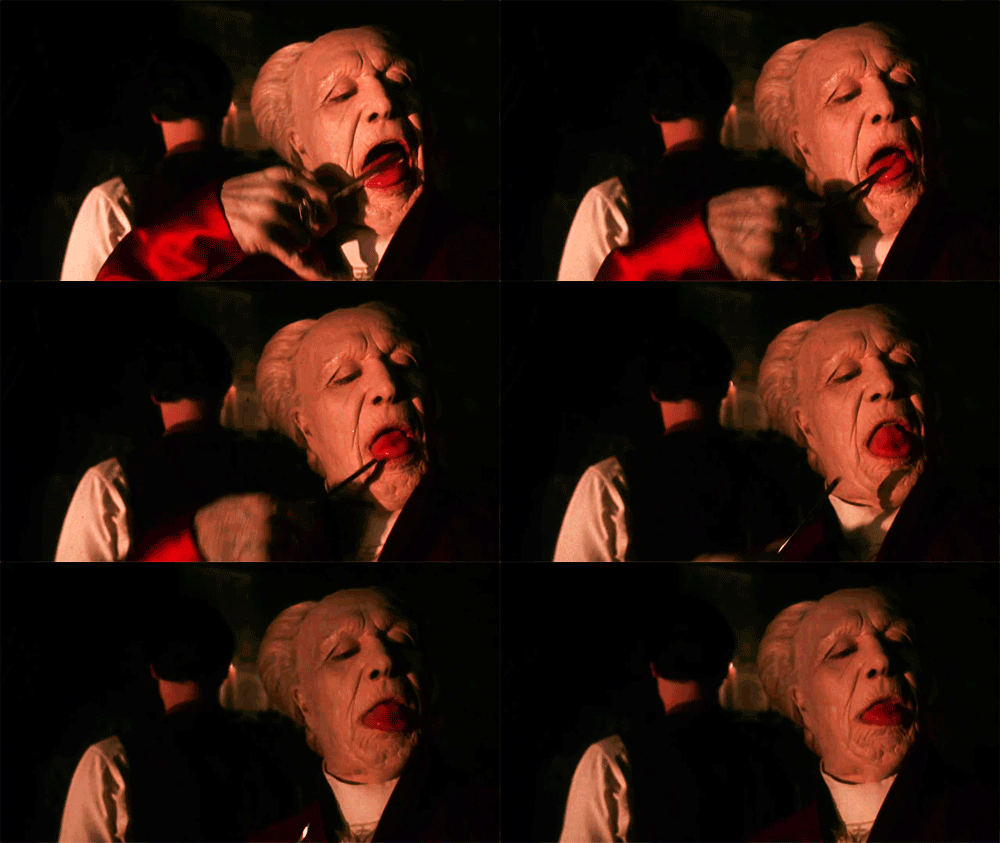
I have to admit I'm not a fan of Coppola's version, Bram Stoker's Dracula (an inaccurate title, by the way), but I do enjoy Gary Oldman's performance in it. He seems to embrace the character, especially when he surreptitiously licks Harker's bloody razor, which is my favourite moment of the entire film:
One of my absolute favourite portrayals of Dracula is in Buffy in the episode "Buffy vs. Dracula." It's a great episode overall (who doesn't love Xander as Renfield?) and Rudolf Martin does a fantastic job as Dracula. Aside from the show, Dracula makes an appearance in several Buffyverse comic books (scroll down to Appearances for the full list). It's well worth tracking them down (if for no other reason than to find out whether Spike ever gets the eleven pounds Dracula owes him).
And lastly (on what is by no means a comprehensive list), what's not to like about Community's Troy attempting to put together a cool Halloween costume by becoming a "sexy Dracula"? ;)
It’s World Goth Day today, so break out your black eyeliner and
Sisters of Mercy CDs, and head to the local cemetery for a discussion on
why we’re celebrating goths in May instead of the obvious choice of
October.
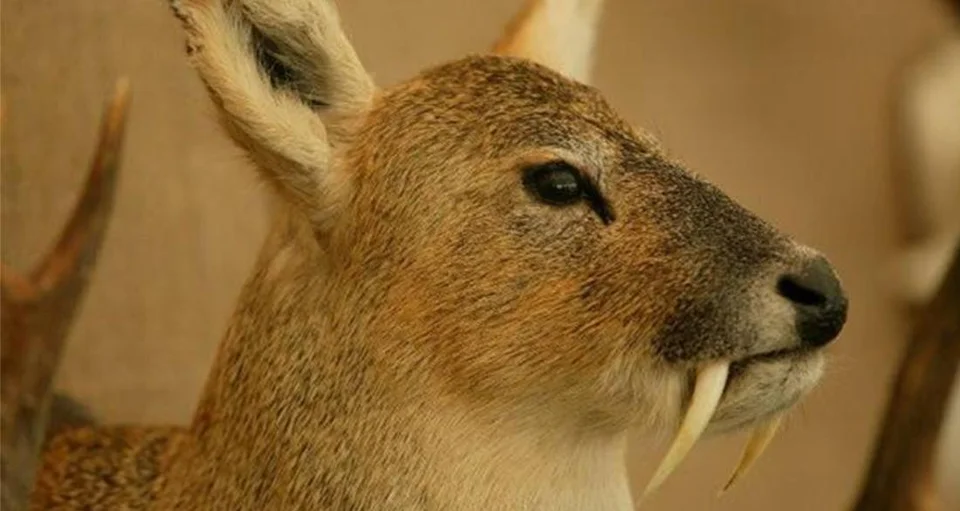
I thought I’d mark the day by sharing some pictures of real vampires I found. Enjoy!
If you prefer paperback, use this link to order Love Lies Bleeding from
Bookshop – a portion of each sale goes directly to independent
bookstores, as well as to myself. Thank you for supporting indie! ♥